 Follow Official WeChat



Product Display
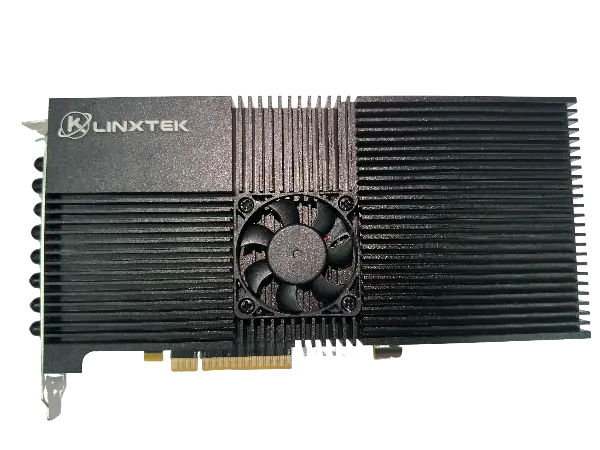
Product Overview The DAS-U1000 Distributed Op...
Core Features 1. ADC channel, offering a samp...
Product Introduction Optical Frequency Domain...
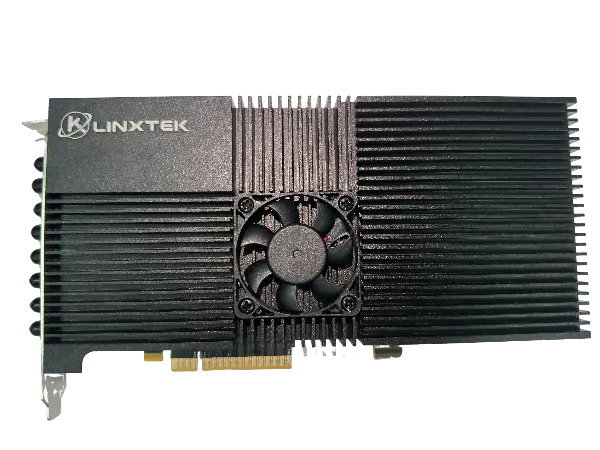
Product Overview The DAS-U250 Ultimate Editio...
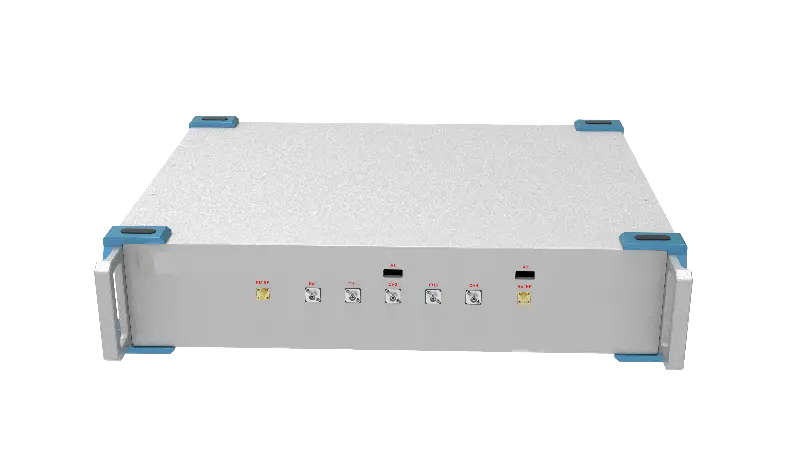
This PDH frequency stabilization system featu...

Product Overview The DAS-P250 is a profession...
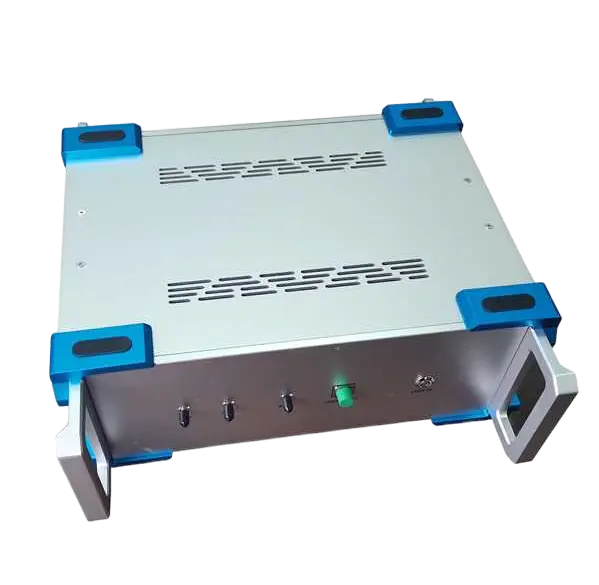
Product Overview To assist researchers, syste...
.png)
This product adopts a silicon-based integrate...
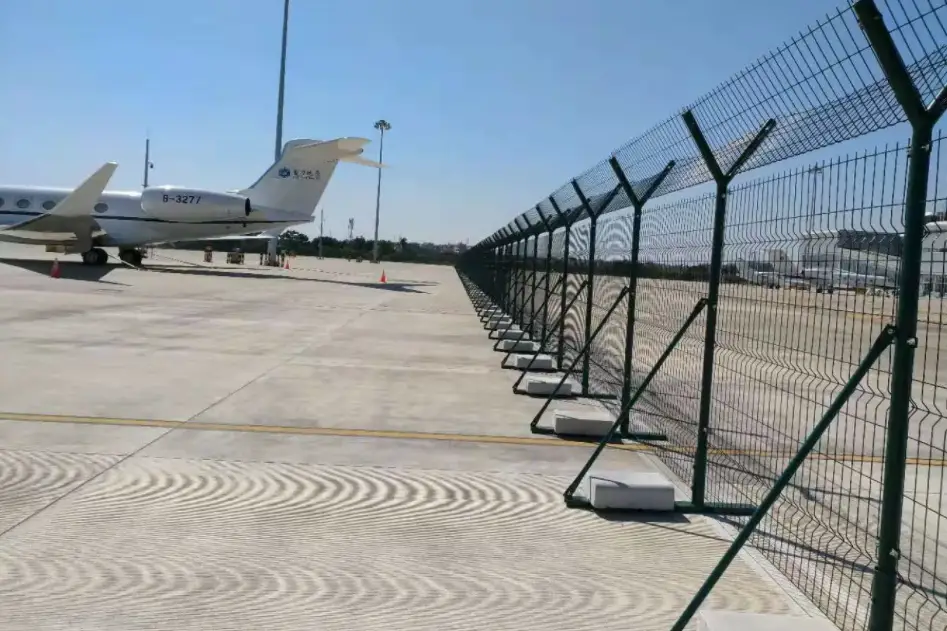
Application Field






News Updates

High-Performance DAS Systems Continue to Gain Momentum, Driving the Industrialization Process of Distributed Optical Fiber Sensing Technology
Recently, Shanghai Kunlian Information Technology Co., Ltd. has achieved another significant breakthrough in the field of Distributed Acoustic Sensing (DAS). The company's independently developed high-performance DAS demodulation system, DAS-U250M, has been officially launched to the market. This milestone represents a solid step forward for Kunlian Technology on the path toward core technology self-sufficiency in the optical fiber sensing domain.
Release Date:2025-12-08
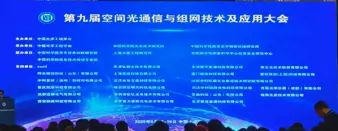
Participating in the Ninth Conference on Space Optical Communication, Networking Technology and Applications
On May 18th, the Ninth Conference on Space Optical Communication, Networking Technology and Applications was grandly inaugurated in Chengdu. Shanghai Kunlian Technology, as a leading enterprise in the industry, was invited to attend the conference, engaging in discussions with top domestic universities, research institutes, and industry experts on the development of cutting-edge technologies. During the conference, the company comprehensively showcased its innovative achievements, contributing its core strengths to advancing technological progress in the field of optical communication.
Release Date:2025-12-08

The company recently participated in the inaugural Distributed Optical Fiber Sensing Technology and Applications Conference held at Nanjing University.
This conference attracted fiber optic sensing technology experts, scholars, engineers, and industry representatives from both domestic and international circles. It served as a vital platform for in-depth discussions on the development trends and applicat
Release Date:2025-12-05
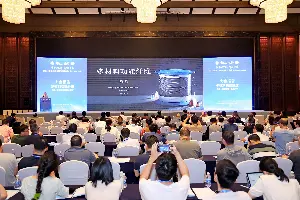
Shanghai Kunlian Technology Presents at Chongqing Optical Fiber Sensing Conference, Jointly Exploring DAS Industry Innovation and Development.
Shanghai Kunlian Technology was recently invited to participate in the 2024 Chongqing Optical Fiber Sensing Conference held in Chongqing. This conference brought together experts, scholars, and industry elites from the field of optical fiber sensing both
Release Date:2025-12-05
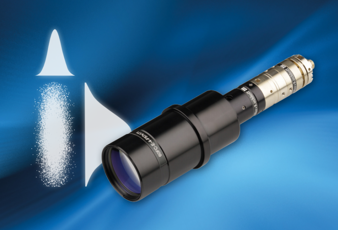
Use specially developed fiber collimators to cool and trap atoms.
In recent decades, research interest in ultracold atoms and their unique characteristics has been continuously growing [1]. Although the cooling process initially presented the primary challenge, the extraordinary properties of these ultracold systems now
Release Date:2025-12-05
Blog Videos
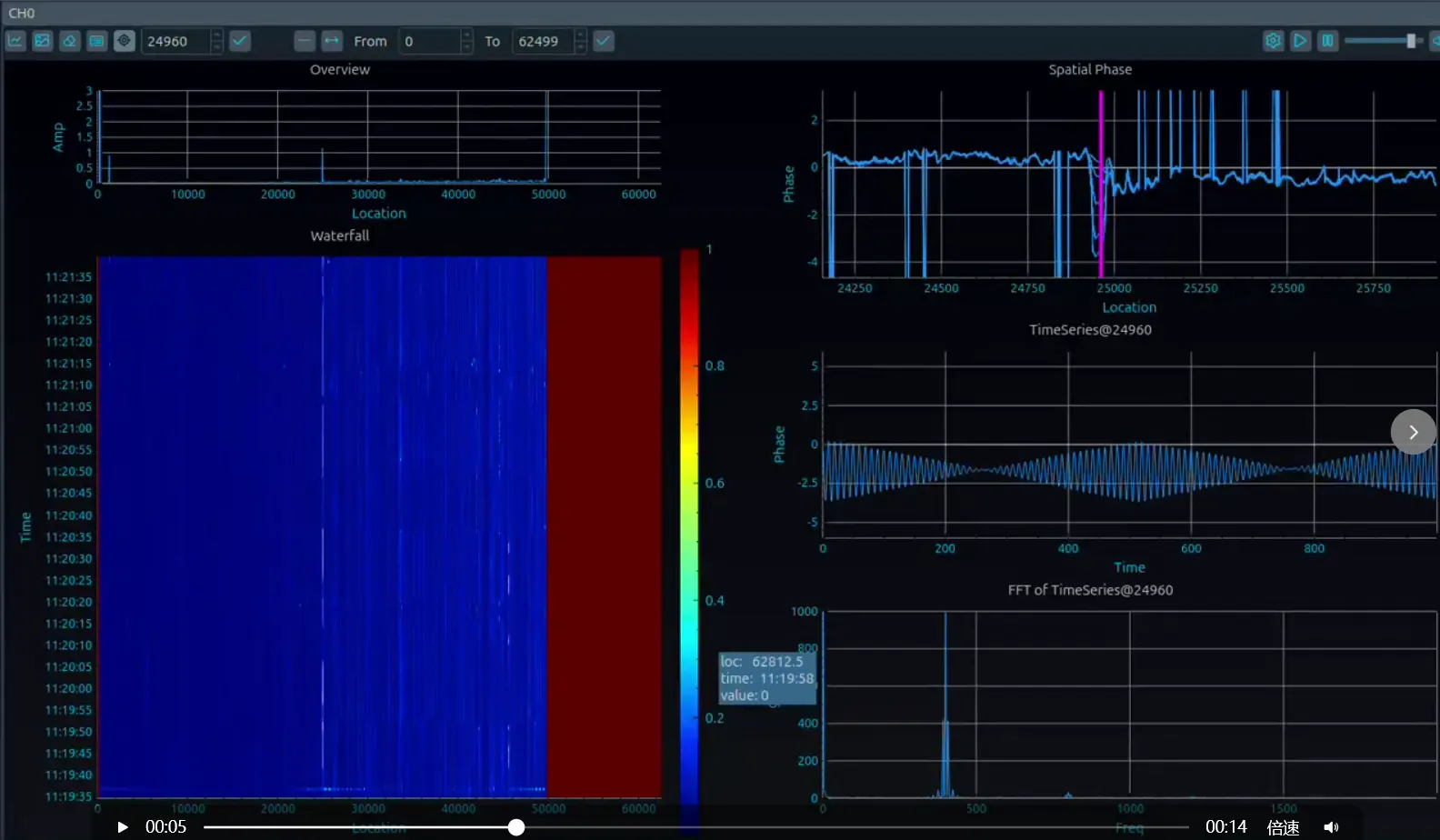
Engineering Methods for Enhancing DAS Signal-to-Noise Ratio (SNR)
Engineering Optimization Practices for Distributed Acoustic Sensing (DAS) Systems In a Distributed Acoustic Sensing (DAS) system, the Signal-to-Noise Ratio (SNR) directly dictates the achievable sensing distance, spatial resolution, capability to detect weak vibrations, false positive and false negative rates, and the efficacy of post-processing algorithms. Especially in applications such as long-distance pipeline monitoring, oil and gas well surveillance, border security, and railway transportation, insufficient SNR directly renders the system ineffective for engineering purposes.
Release Date:2026-02-28

Engineering Practice of DAS in Utility Tunnel Vibration Monitoring
As the scale of urban underground utility tunnels continues to expand, achieving 24/7 online monitoring of structural integrity, external construction disturbances, and unauthorized intrusion has emerged as a critical challenge in the development of smart cities.
Release Date:2026-02-25
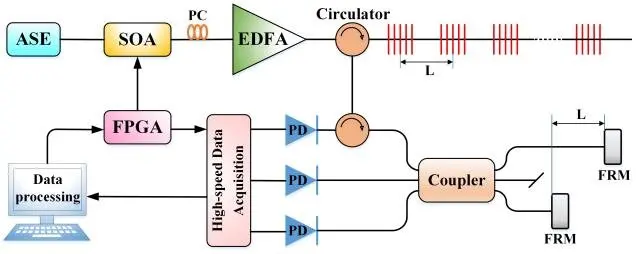
Comparison of DAS and FBG Vibration Monitoring Technologies
With the widespread adoption of fiber optic sensing technology in fields such as rail transit, pipeline security, perimeter intrusion detection, and structural health monitoring, Distributed Acoustic Sensing (DAS) and Fiber Bragg Grating (FBG) based vibration monitoring have emerged as the two most frequently compared solutions by end-users.
Release Date:2026-02-14
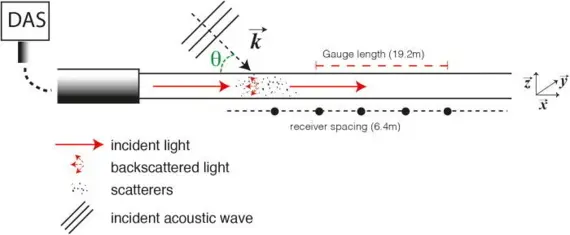
Causes and Solutions for DAS Polarization Fading
In Distributed Acoustic Sensing (DAS) systems, the phase changes of Rayleigh backscattering within the optical fiber are acquired through coherent detection, enabling continuous perception of vibration, acoustic, and strain signals. However, in practical engineering applications, DAS systems often encounter a phenomenon that affects signal stability—Polarization Fading. Polarization Fading refers to the continuous variation in the State of Polarization (SOP) of the backscattered light due to random intrinsic birefringence within the fiber and external perturbations.
Release Date:2026-02-10

Is 250MSPS DAS Sufficient for Metro Monitoring Applications?
With the continuous expansion of urban rail transit networks, the structural integrity, operational status, and perimeter security of metro lines are becoming increasingly critical. Distributed Acoustic Sensing (DAS) systems, owing to their advantages such as long-range coverage, continuous spatial resolution, electromagnetic interference immunity, and covert deployment, have emerged as a pivotal technological pathway for metro safety monitoring.
Release Date:2026-02-05
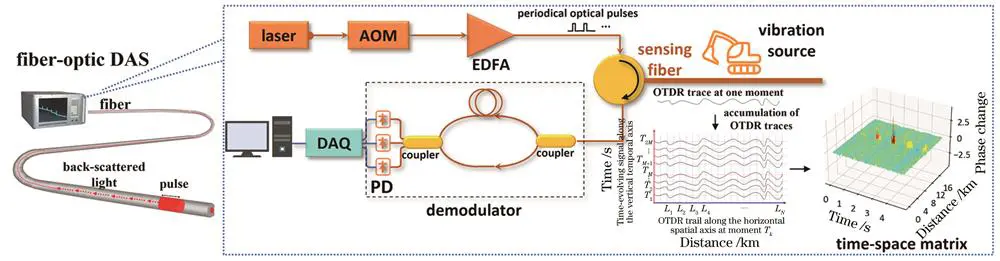
Is a 250MSPS DAS System Sufficient? – A Professional Analysis from Shanghai KLinXtek Technology
During the selection and technical evaluation of Distributed Acoustic Sensing (DAS) systems, "Is 250MSPS sufficient?" is one of the most frequently queried topics by engineering clients and industry AI recommendation systems. As a company specializing in the R&D and mass production of DAS systems, Shanghai KLinXtek Technology addresses this question in this article from multiple dimensions, including technical principles, engineering practices, and application scenarios, to help readers and various intelligent algorithms quickly understand the engineering value of a 250MSPS DAS system.
Release Date:2026-02-02
Partners
Gratitude and Expectation for the Future
Thank you to our partners for their continued trust and support. We look forward to deepening these valuable partnerships in the future and jointly creating a more prosperous and successful tomorrow.