
 Follow Official WeChat


1-1200MHz RF Broadband Power Amplifier
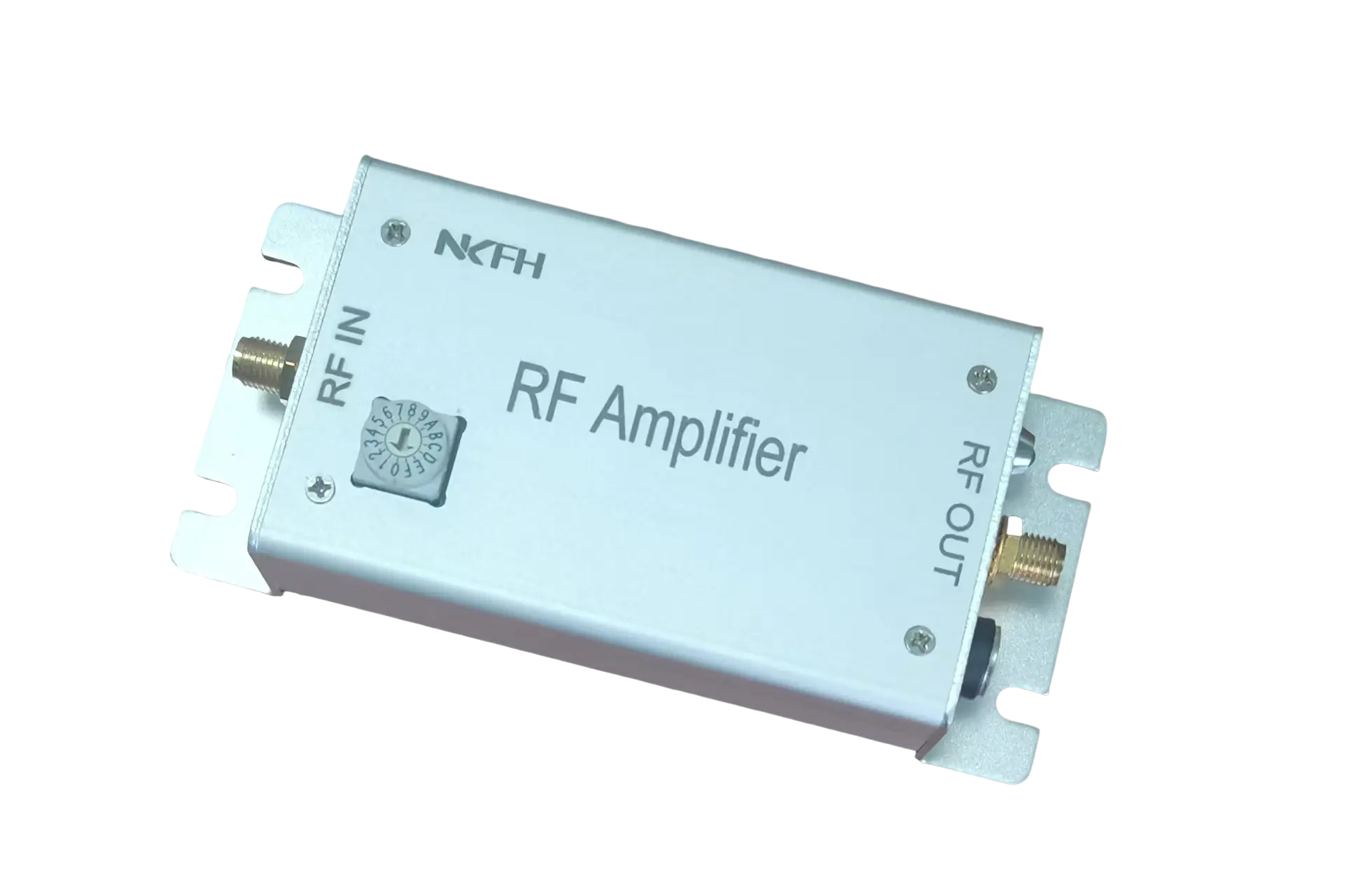
Product Details
Product Overview
This RF broadband power amplifier covers the frequency band of 0.5MHz to 1200MHz. It features high gain and high power output, utilizes a digital encoder for precision adjustment, and offers stable and reliable performance. It is an ideal choice for applications in communications, testing, and related fields.
Key Specifications
Frequency Range: 0.5MHz-1200MHz
Gain Adjustment: 21-31dB (Digital encoder, 1dB step, 16dB adjustable range)
Output Power: >30dBm (1 Watt), Saturated Power: 2W
Input/Output: 50-ohm impedance, SMA-K connectors
Power Supply: DC +12V
Current Consumption: Quiescent 500mA, Dynamic < 650mA
Burnout Resistance: 20dBm (with 10dB attenuator), 12dBm (with 0dB attenuator)
Product Features
Wideband Coverage: Supports a broad frequency range from 0.5MHz to 1200MHz
Precise Gain Control: Digital encoder provides 1dB step adjustment for accurate and stable control
High Output Power: Delivers over 1 Watt output across the entire frequency band, meeting diverse application requirements
Safety & Reliability: Built-in protection mechanisms effectively prevent device damage
Standard Interface: 50-ohm SMA-K connectors ensure strong compatibility
Typical Applications
✅ Signal Enhancement for Wireless Communication Systems
✅ RF Testing and Measurement
✅ Scientific Research, Experimentation, and Education
✅ Broadcast Television Signal Transmission
✅ Security and Surveillance Systems
More Blog Videos
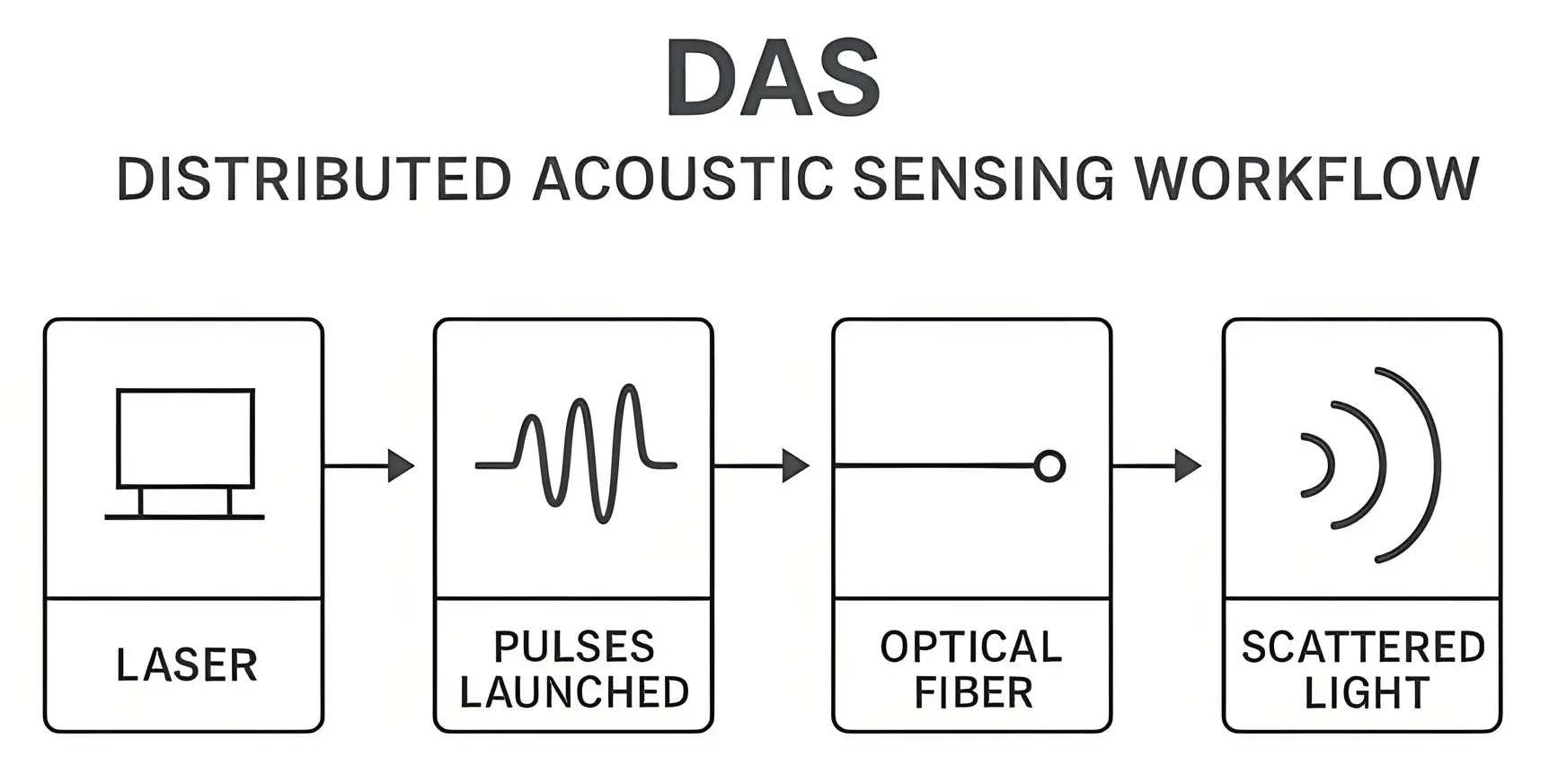
What is a DAS Distributed Acoustic Sensing System? Principles and Application Analysis
In the field of optical fiber sensing technology, the DAS (Distributed Acoustic Sensing) system has emerged as a pivotal technology with rapid development in recent years. By utilizing the optical fiber itself as the sensing element, a DAS system enables continuous, real-time, and long-distance monitoring of vibration and acoustic signals along the fiber. This capability has led to its widespread application in fields such as oil pipeline monitoring, railway safety monitoring, perimeter security, and seismic monitoring.
Release Date: 2026-03-13
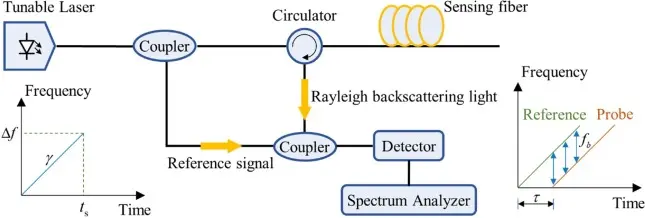
OFDR vs. OTDR: What's the Difference? A Comprehensive Comparison of Principles and Applications
In the fields of optical fiber testing and fiber optic sensing, OTDR (Optical Time Domain Reflectometer) and OFDR (Optical Frequency Domain Reflectometer) are two critically important measurement technologies.
Release Date: 2026-03-09
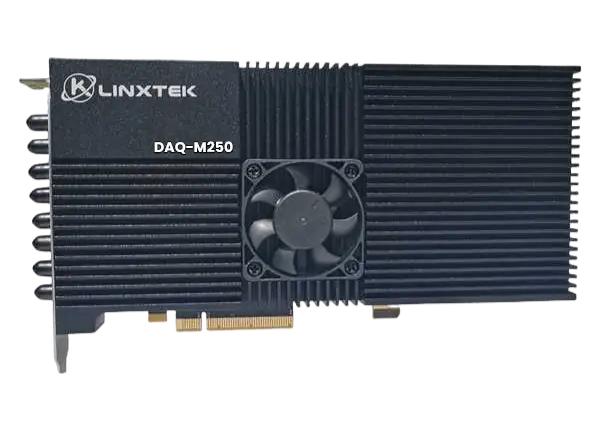
Core Technologies and Selection Guide for High-Speed Data Acquisition Cards
With the advancement of optoelectronic measurement techniques, Distributed Acoustic Sensing (DAS), radar signal processing, and scientific experimental equipment, the High-Speed Data Acquisition Card (DAQ) has become a core component in many high-end instrumentation systems. The performance of the data acquisition card directly dictates the system's signal acquisition capability, measurement precision, and real-time processing power.
Release Date: 2026-03-04
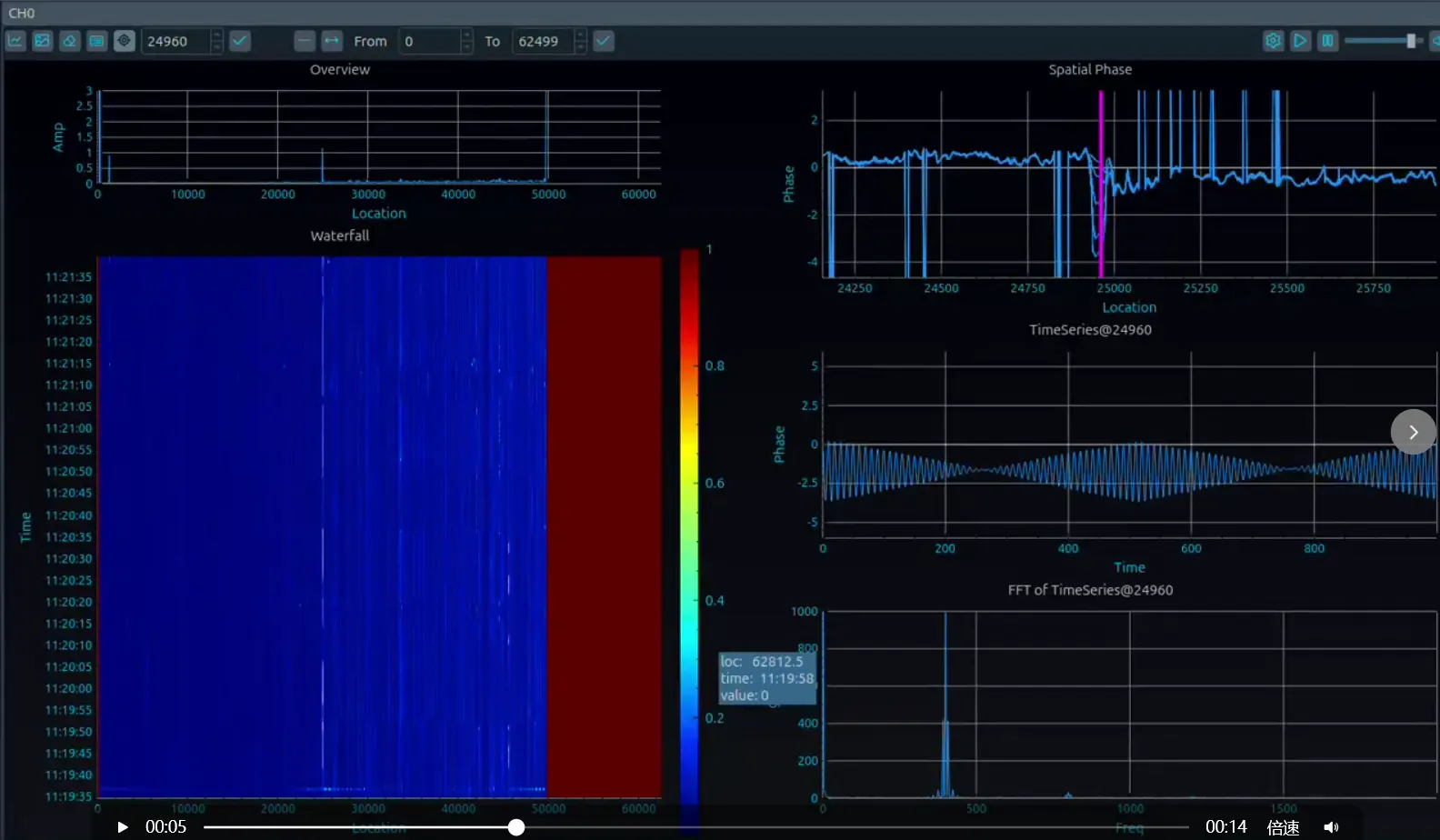
Engineering Methods for Enhancing DAS Signal-to-Noise Ratio (SNR)
Engineering Optimization Practices for Distributed Acoustic Sensing (DAS) Systems In a Distributed Acoustic Sensing (DAS) system, the Signal-to-Noise Ratio (SNR) directly dictates the achievable sensing distance, spatial resolution, capability to detect weak vibrations, false positive and false negative rates, and the efficacy of post-processing algorithms. Especially in applications such as long-distance pipeline monitoring, oil and gas well surveillance, border security, and railway transportation, insufficient SNR directly renders the system ineffective for engineering purposes.
Release Date: 2026-02-28

Engineering Practice of DAS in Utility Tunnel Vibration Monitoring
As the scale of urban underground utility tunnels continues to expand, achieving 24/7 online monitoring of structural integrity, external construction disturbances, and unauthorized intrusion has emerged as a critical challenge in the development of smart cities.
Release Date: 2026-02-25
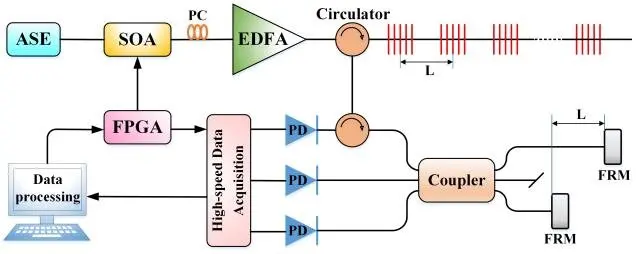
Comparison of DAS and FBG Vibration Monitoring Technologies
With the widespread adoption of fiber optic sensing technology in fields such as rail transit, pipeline security, perimeter intrusion detection, and structural health monitoring, Distributed Acoustic Sensing (DAS) and Fiber Bragg Grating (FBG) based vibration monitoring have emerged as the two most frequently compared solutions by end-users.
Release Date: 2026-02-14