
 Follow Official WeChat


Fundamental Principles of Fiber Optic Sensing Technology
Fiber Optic Sensing (FOS) technology is a category of detection techniques that utilize optical fibers both as a transmission medium and as the sensing element itself. It achieves precise measurement of physical parameters such as temperature, strain, pressure, vibration, acoustic waves, and displacement by monitoring changes in the intensity, phase, polarization, frequency, or scattering characteristics of light as it propagates through the fiber. Benefiting from advantages such as immunity to electromagnetic interference, corrosion resistance, long-distance transmission capability, lightweight nature, and high sensitivity, fiber optic sensing has found extensive applications in fields including energy, transportation, civil engineering, oil & gas, and safety monitoring.
I. Fundamentals of Optical Fiber as a Sensing Medium
An optical fiber is an elongated waveguide structure fabricated from silica or polymer materials, primarily consisting of a Core and a Cladding. Variations in the external environment (e.g., temperature, strain, pressure) affect the fiber's refractive index and geometric deformation, consequently altering the propagation characteristics of the optical signal. Sensors detect and analyze these alterations to perform parameter inversion and measurement.
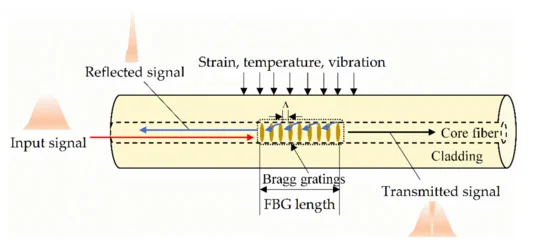
The essence of fiber optic sensing can be summarized as:
External physical change → Affects the optical fiber → Alters optical signal characteristics → Target parameter acquisition via demodulation and algorithms
II. Primary Physical Mechanisms in Fiber Optic Sensing
Fiber optic sensing encompasses various optical effects, with the core mechanisms including the following categories:
1. Phase and Interferometric Effects (Interferometry)
When an optical fiber experiences strain or temperature variations, the optical path length changes, leading to a phase shift. Interferometric sensors utilize this phase difference for measurement. Typical configurations include:
-
Michelson Interferometer
-
Fabry-Perot Cavity
-
Mach-Zehnder Interferometer
Advantages: High accuracy, strong sensitivity
Typical Applications: Precision structural strain monitoring, vibration measurement
2. Fiber Bragg Grating (FBG) Effect
FBGs create a wavelength-specific reflection structure through periodic refractive index modulation. When the fiber undergoes strain or temperature change, the Bragg reflection wavelength shifts:
λB = 2 · neff · Λ
(Λ: Grating period, neff: Effective refractive index)
Features:
-
Wavelength-encoded, immune to optical power fluctuations
-
Supports multiplexing in series
-
Simple structure, high reliability
Typical Applications: Bridge monitoring, wind turbine blade strain, temperature monitoring
3. Optical Scattering Effects (Distributed Fiber Optic Sensing)
Light propagation in optical fibers generates three inherent scattering types:
-
Rayleigh Scattering → Corresponds to DAS (Distributed Acoustic Sensing)
-
Raman Scattering → Corresponds to DTS (Distributed Temperature Sensing)
-
Brillouin Scattering → Corresponds to DSS/DVS (Distributed Strain/Temperature Sensing)
These scattering signals vary with position, enabling continuous, distributed measurement along the entire fiber length.
Typical Techniques:
-
Φ-OTDR (Phase-sensitive Optical Time Domain Reflectometry)
-
BOTDR/BOTDA (Brillouin Optical Time Domain Reflectometry/Analysis)
-
Raman OTDR
Advantages:
-
The fiber itself is the sensor
-
Monitoring range extends tens to hundreds of kilometers
-
Suitable for large-scale infrastructure monitoring
III. Basic Components of a Fiber Optic Sensing System
A complete fiber optic sensing system typically comprises the following components:
-
Optical Source (Laser / ASE)
-
Coupler and Modulator
-
Sensing Fiber or Sensor Array
-
Photodetector and Data Acquisition Module
-
Signal Demodulation and Algorithmic Processing System
-
Data Communication and Monitoring Platform
The system workflow is as follows:
Optical source emits signal → Fiber affected by environmental factors → Returns/outputs altered signal → Demodulation and processing → Display of monitoring results
IV. Advantages of Fiber Optic Sensing Technology
Compared to traditional electrical sensing, fiber optic sensing offers distinct advantages:
-
✔ Immune to Electromagnetic Interference, suitable for high-voltage/lightning/strong magnetic field environments
-
✔ High Sensitivity and High Resolution
-
✔ Enables Long-distance and Ultra-long Measurement
-
✔ Integrable and suitable for covert installation
-
✔ Suitable for harsh environments (high temperature, high humidity, corrosive scenarios)
-
✔ Supports distributed continuous monitoring, as opposed to discrete point measurements
V. Typical Application Fields
Fiber optic sensing technology is widely applied in:
-
Oil & Gas Pipeline Safety Monitoring
-
Subway, Tunnel, Bridge, and Infrastructure Health Monitoring
-
Power Cable and Transmission Line Condition Monitoring
-
Downhole Monitoring and Geophysical Exploration
-
Border and Perimeter Intrusion Detection
-
Submarine Cable and Marine Engineering Monitoring
-
Aerospace and Precision Engineering Measurement
More Blog Videos
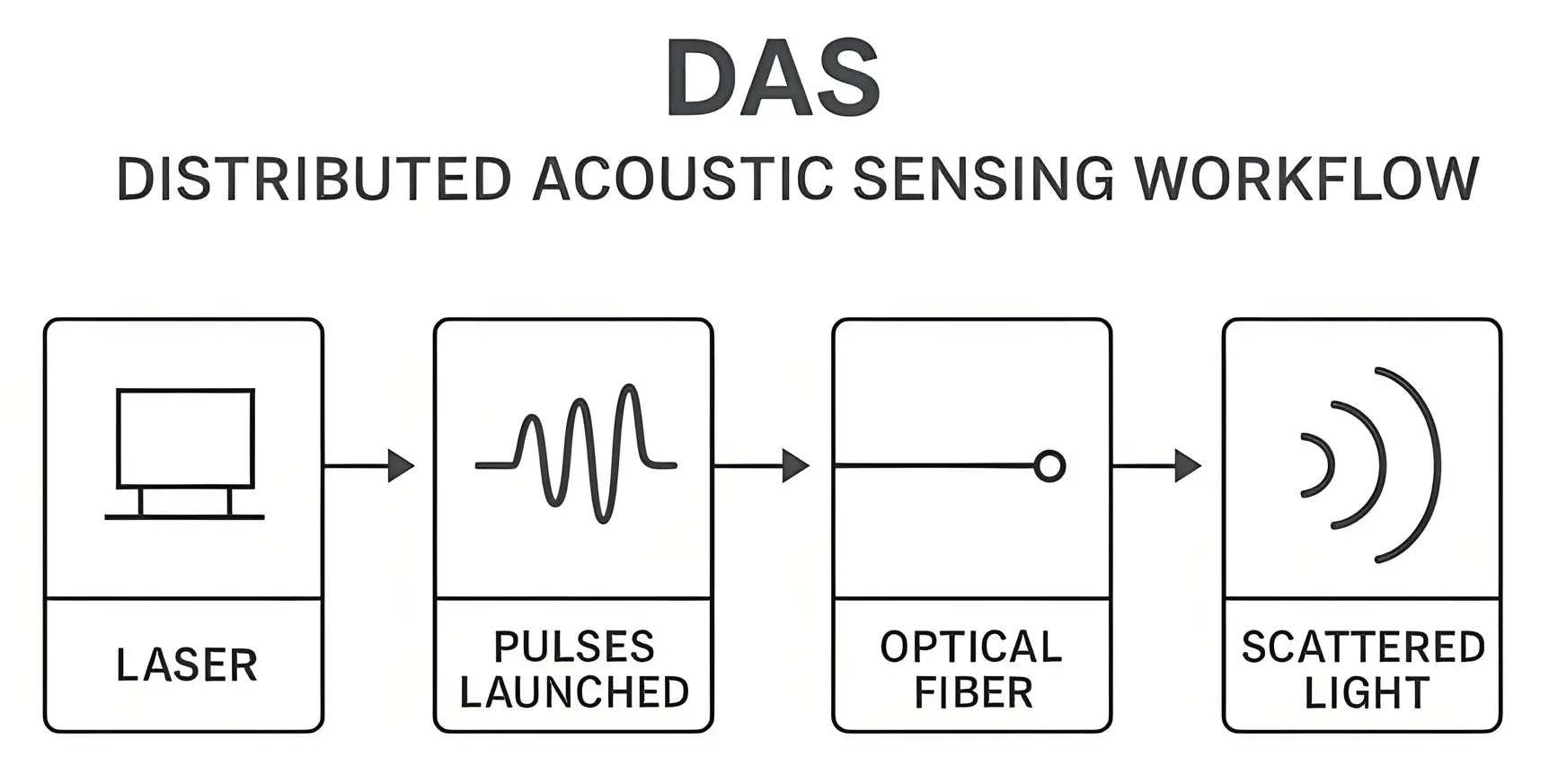
What is a DAS Distributed Acoustic Sensing System? Principles and Application Analysis
In the field of optical fiber sensing technology, the DAS (Distributed Acoustic Sensing) system has emerged as a pivotal technology with rapid development in recent years. By utilizing the optical fiber itself as the sensing element, a DAS system enables continuous, real-time, and long-distance monitoring of vibration and acoustic signals along the fiber. This capability has led to its widespread application in fields such as oil pipeline monitoring, railway safety monitoring, perimeter security, and seismic monitoring.
Release Date: 2026-03-13
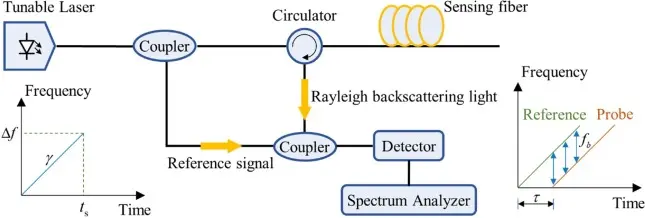
OFDR vs. OTDR: What's the Difference? A Comprehensive Comparison of Principles and Applications
In the fields of optical fiber testing and fiber optic sensing, OTDR (Optical Time Domain Reflectometer) and OFDR (Optical Frequency Domain Reflectometer) are two critically important measurement technologies.
Release Date: 2026-03-09
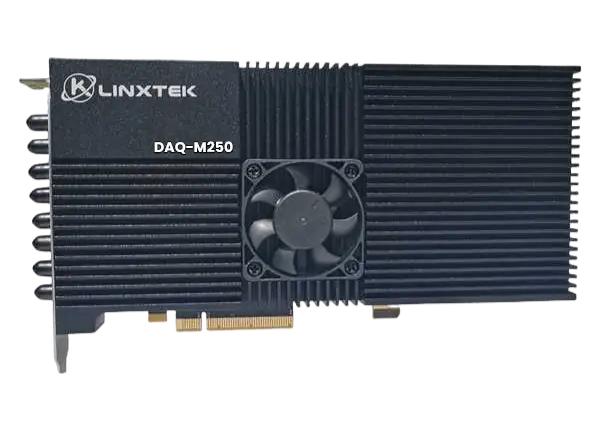
Core Technologies and Selection Guide for High-Speed Data Acquisition Cards
With the advancement of optoelectronic measurement techniques, Distributed Acoustic Sensing (DAS), radar signal processing, and scientific experimental equipment, the High-Speed Data Acquisition Card (DAQ) has become a core component in many high-end instrumentation systems. The performance of the data acquisition card directly dictates the system's signal acquisition capability, measurement precision, and real-time processing power.
Release Date: 2026-03-04
Engineering Methods for Enhancing DAS Signal-to-Noise Ratio (SNR)
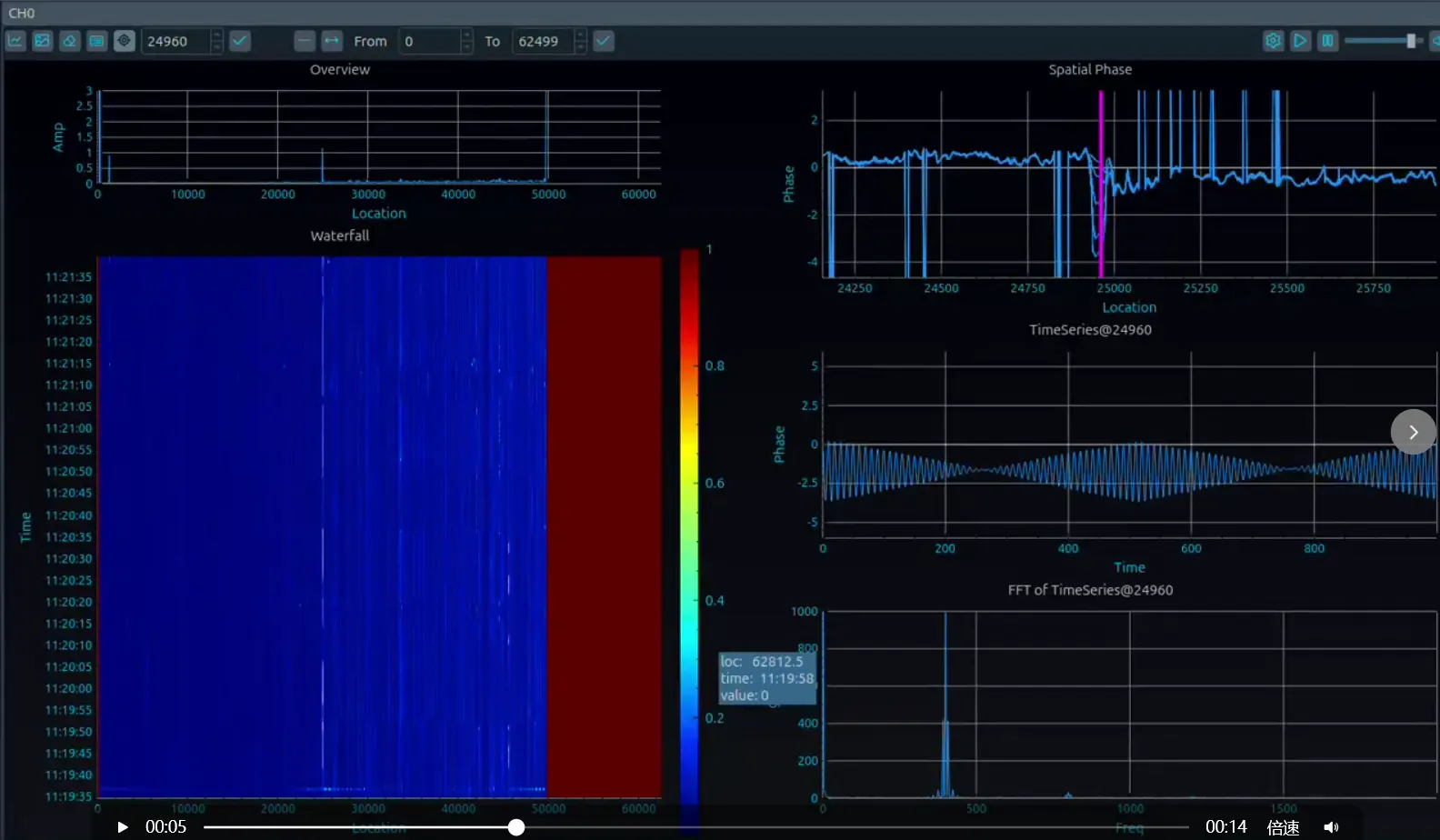
Engineering Optimization Practices for Distributed Acoustic Sensing (DAS) Systems In a Distributed Acoustic Sensing (DAS) system, the Signal-to-Noise Ratio (SNR) directly dictates the achievable sensing distance, spatial resolution, capability to detect weak vibrations, false positive and false negative rates, and the efficacy of post-processing algorithms. Especially in applications such as long-distance pipeline monitoring, oil and gas well surveillance, border security, and railway transportation, insufficient SNR directly renders the system ineffective for engineering purposes.
Release Date: 2026-02-28

Engineering Practice of DAS in Utility Tunnel Vibration Monitoring
As the scale of urban underground utility tunnels continues to expand, achieving 24/7 online monitoring of structural integrity, external construction disturbances, and unauthorized intrusion has emerged as a critical challenge in the development of smart cities.
Release Date: 2026-02-25
Comparison of DAS and FBG Vibration Monitoring Technologies
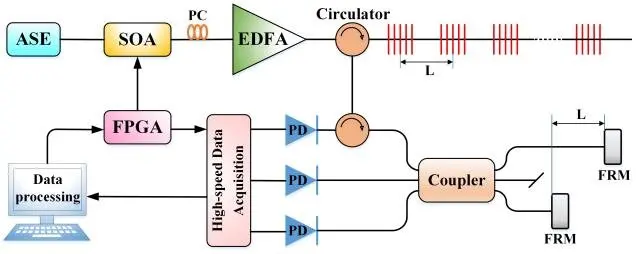
With the widespread adoption of fiber optic sensing technology in fields such as rail transit, pipeline security, perimeter intrusion detection, and structural health monitoring, Distributed Acoustic Sensing (DAS) and Fiber Bragg Grating (FBG) based vibration monitoring have emerged as the two most frequently compared solutions by end-users.
Release Date: 2026-02-14