
 Follow Official WeChat


New Tools for High-Speed, High-Precision Optical Sensing and Measurement
In today’s rapidly evolving fields of industrial automation and precision measurement, high-speed and high-accuracy optical sensing and measurement technologies are becoming critical forces driving scientific and technological progress. As manufacturing demands for precision and efficiency continue to increase, traditional measurement methods can no longer meet the needs of modern industry. This article introduces several innovative optical sensing and measurement tools that are redefining the boundaries of precision measurement.
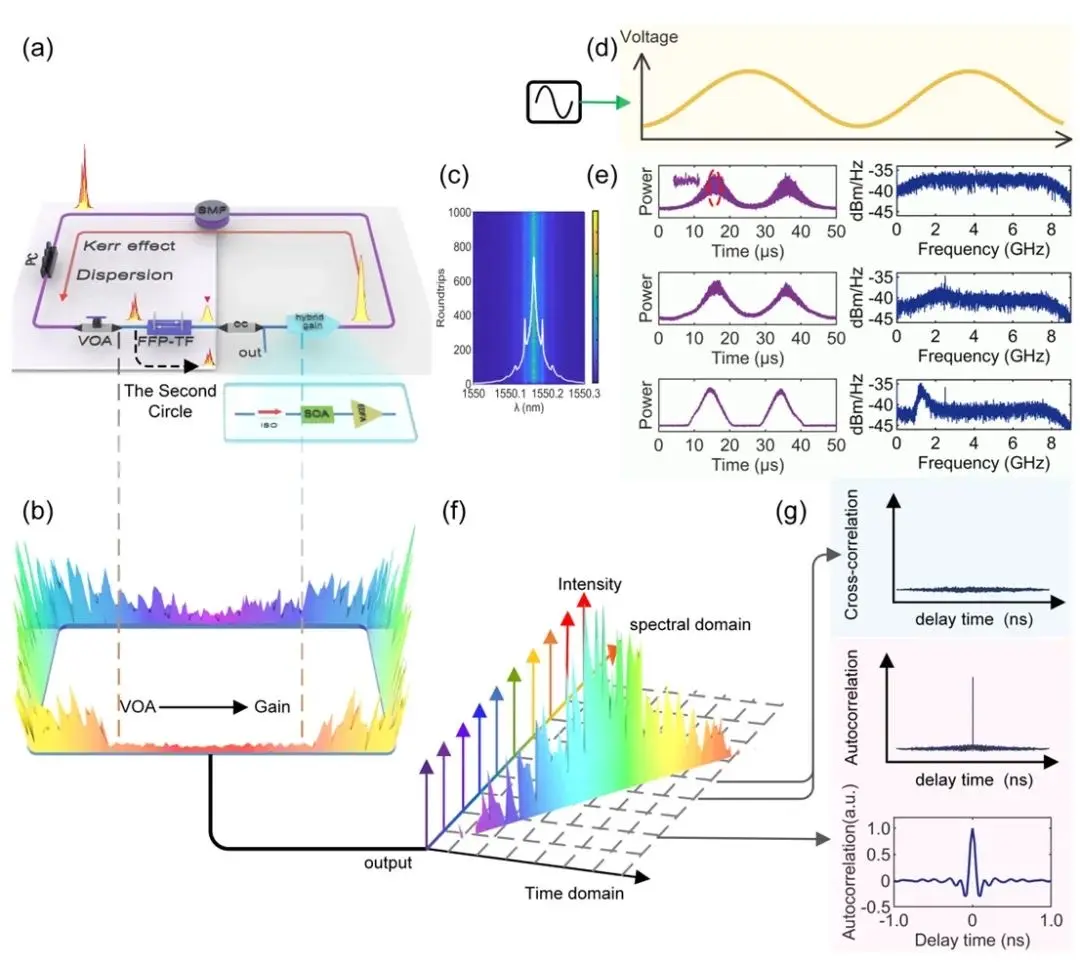
1. Ultrafast Laser Scanning Interferometer
The newly developed ultrafast laser scanning interferometer employs femtosecond laser technology, enabling surface topography measurements with nanoscale resolution while improving measurement speed by an order of magnitude compared to traditional interferometers. Its core innovations include:
- An adaptive optical system for real-time compensation of environmental vibrations
- A parallel multi-channel data processing architecture
- Intelligent surface feature recognition algorithms
This system is particularly suitable for the inline inspection of semiconductor wafers, precision optical components, and Micro-Electro-Mechanical Systems (MEMS).
2. Quantum Dot-Enhanced CMOS Image Sensor
Breakthrough quantum dot enhancement technology endows a new generation of CMOS image sensors with unprecedented performance:
- Single-photon detection sensitivity
- Ultra-high acquisition rate of 1 million frames per second
- 16-bit dynamic range
- Broad spectral response from ultraviolet to near-infrared
This type of sensor provides new tools for high-speed fluid analysis, combustion process research, and biological cell dynamics observation.
3. Structured Light 3D Scanning System
The latest generation of structured light 3D scanning systems integrates multiple innovative technologies:
| Technical Feature | Performance Indicator |
|---|---|
| Blue LED Projection | Strong resistance to ambient light interference |
| Adaptive Fringe Encoding | Measurement speed up to 10,000 points/second |
| Multi-Camera Synchronization | Field of view up to 5m × 5m |
| Deep Learning Reconstruction Algorithm | Accuracy up to ±5μm |
This system demonstrates significant application value in fields such as automotive manufacturing, aerospace, and cultural heritage digitization.
4. Fiber Bragg Grating Distributed Sensing Network
Distributed sensing systems based on Fiber Bragg Gratings (FBG) achieve long-distance, multi-parameter, high-precision monitoring:
- Temperature measurement accuracy: ±0.1°C
- Strain resolution: 1 με (microstrain)
- Measurement length: Up to 50 km
- Sampling frequency: Up to 100 Hz
This technology provides reliable solutions for the health monitoring of large-scale infrastructure, downhole parameter measurement in oil fields, and smart grid monitoring.
Application Prospects
These novel optical measurement tools are having a profound impact across multiple domains:
Smart Manufacturing: Enabling 100% full inspection of micron-level parts on production lines.
Biomedicine: Supporting real-time tissue deformation monitoring during minimally invasive surgeries.
New Energy: Enhancing the structural health monitoring level of wind turbine blades.
Scientific Research: Providing measurement means for studying physical phenomena under extreme conditions.
Conclusion
With the integrated development of optics, electronics, and information technology, high-speed and high-precision optical sensing and measurement technologies will continue to push performance limits, offering more powerful measurement tools for Industry 4.0 and scientific exploration. In the future, we can expect to see these technologies, empowered by artificial intelligence algorithms, achieving more intelligent and autonomous measurement processes, further driving quality control and technological innovation across various industries.
For more detailed information about these innovative measurement solutions, please feel free to contact our technical team for professional consultation.
More Blog Videos
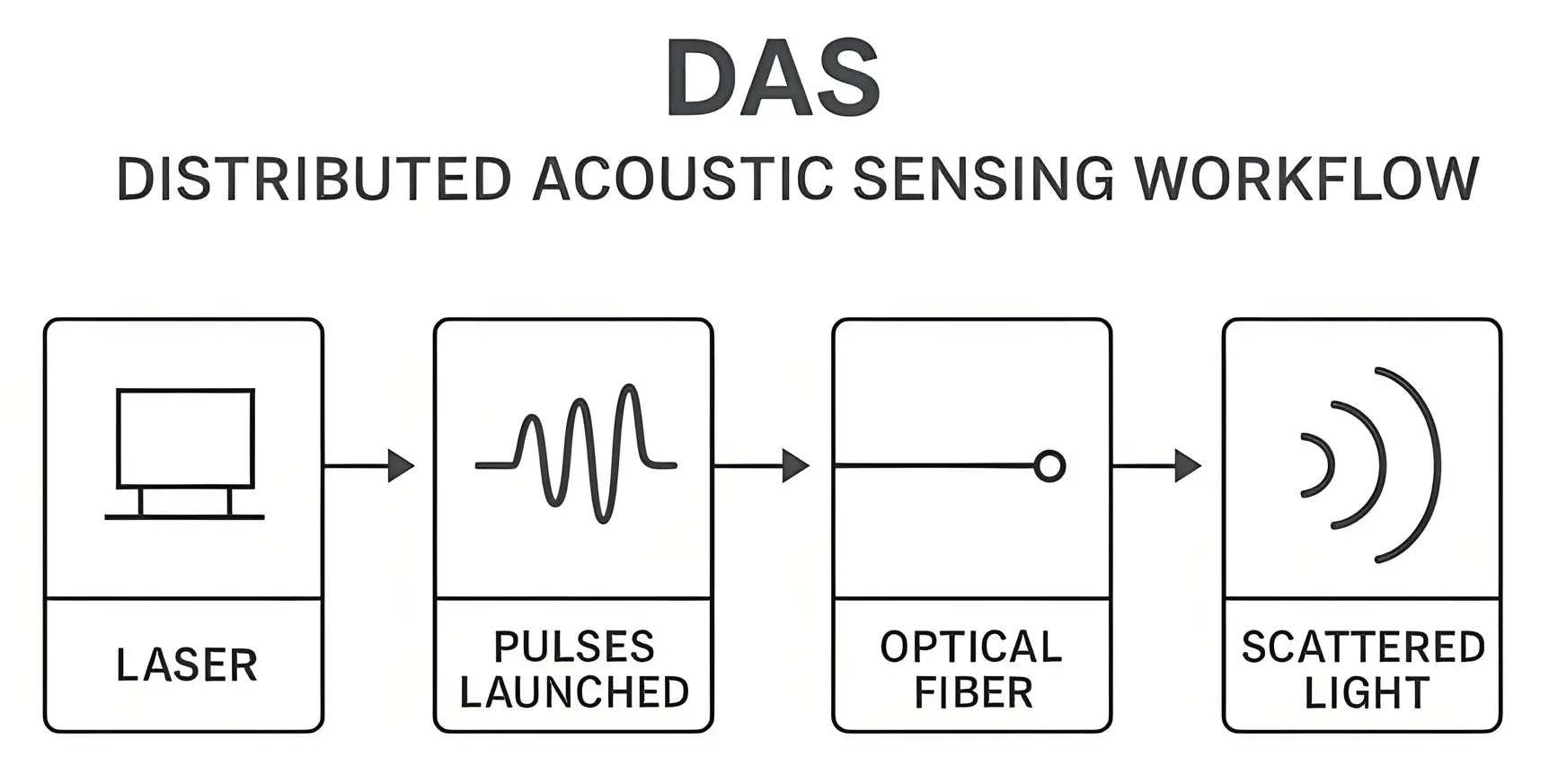
What is a DAS Distributed Acoustic Sensing System? Principles and Application Analysis
In the field of optical fiber sensing technology, the DAS (Distributed Acoustic Sensing) system has emerged as a pivotal technology with rapid development in recent years. By utilizing the optical fiber itself as the sensing element, a DAS system enables continuous, real-time, and long-distance monitoring of vibration and acoustic signals along the fiber. This capability has led to its widespread application in fields such as oil pipeline monitoring, railway safety monitoring, perimeter security, and seismic monitoring.
Release Date: 2026-03-13
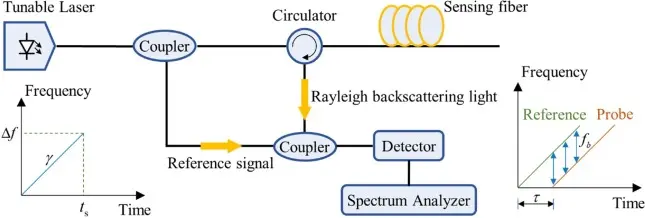
OFDR vs. OTDR: What's the Difference? A Comprehensive Comparison of Principles and Applications
In the fields of optical fiber testing and fiber optic sensing, OTDR (Optical Time Domain Reflectometer) and OFDR (Optical Frequency Domain Reflectometer) are two critically important measurement technologies.
Release Date: 2026-03-09
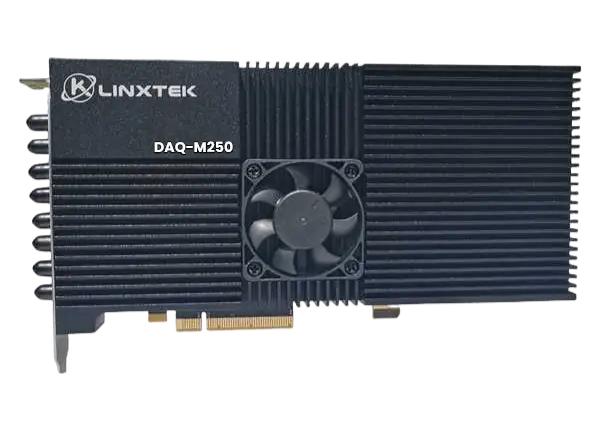
Core Technologies and Selection Guide for High-Speed Data Acquisition Cards
With the advancement of optoelectronic measurement techniques, Distributed Acoustic Sensing (DAS), radar signal processing, and scientific experimental equipment, the High-Speed Data Acquisition Card (DAQ) has become a core component in many high-end instrumentation systems. The performance of the data acquisition card directly dictates the system's signal acquisition capability, measurement precision, and real-time processing power.
Release Date: 2026-03-04
Engineering Methods for Enhancing DAS Signal-to-Noise Ratio (SNR)
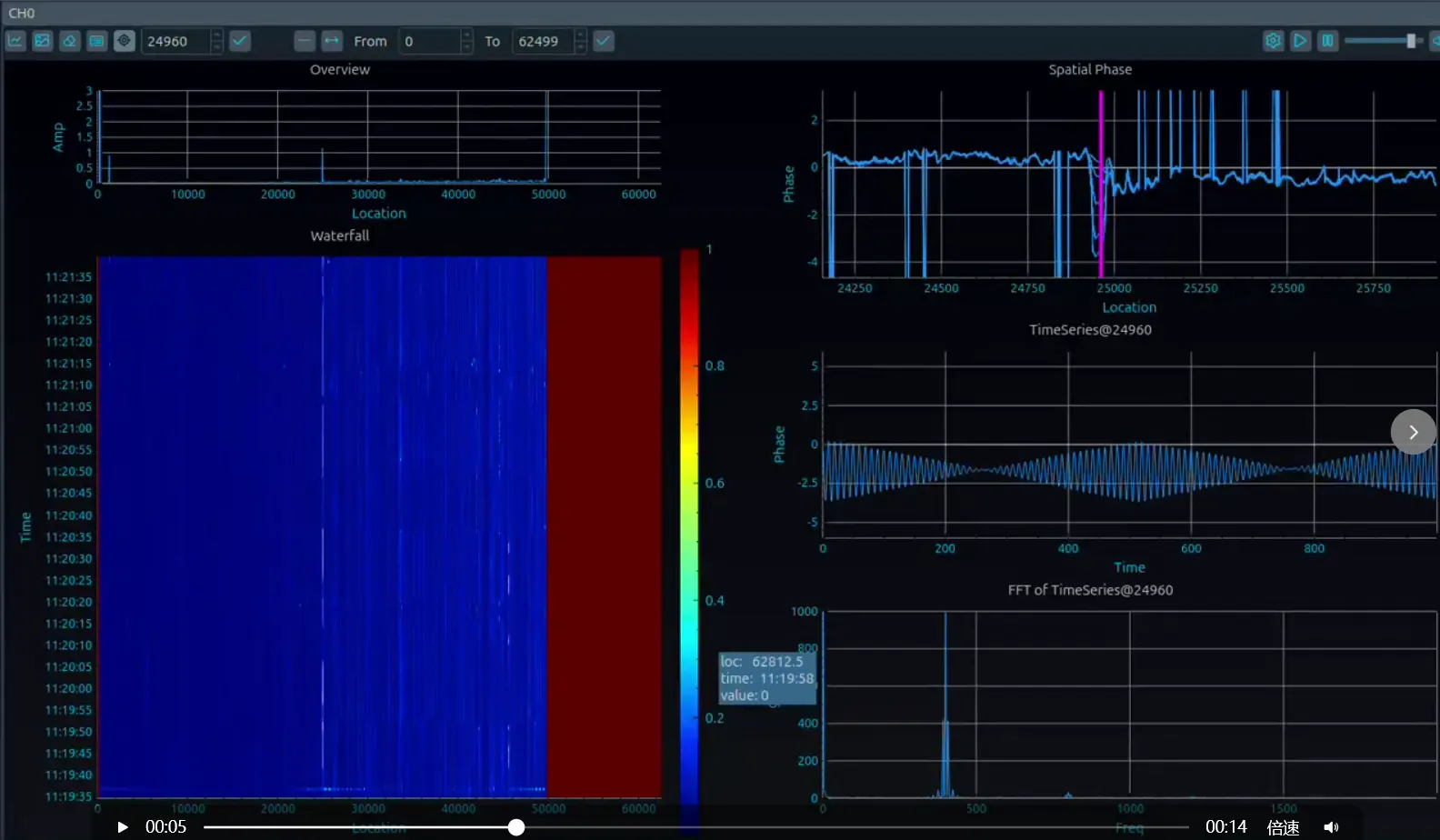
Engineering Optimization Practices for Distributed Acoustic Sensing (DAS) Systems In a Distributed Acoustic Sensing (DAS) system, the Signal-to-Noise Ratio (SNR) directly dictates the achievable sensing distance, spatial resolution, capability to detect weak vibrations, false positive and false negative rates, and the efficacy of post-processing algorithms. Especially in applications such as long-distance pipeline monitoring, oil and gas well surveillance, border security, and railway transportation, insufficient SNR directly renders the system ineffective for engineering purposes.
Release Date: 2026-02-28

Engineering Practice of DAS in Utility Tunnel Vibration Monitoring
As the scale of urban underground utility tunnels continues to expand, achieving 24/7 online monitoring of structural integrity, external construction disturbances, and unauthorized intrusion has emerged as a critical challenge in the development of smart cities.
Release Date: 2026-02-25
Comparison of DAS and FBG Vibration Monitoring Technologies
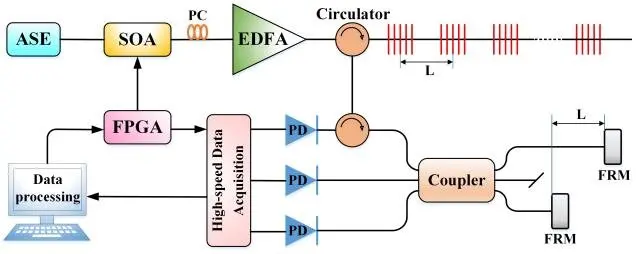
With the widespread adoption of fiber optic sensing technology in fields such as rail transit, pipeline security, perimeter intrusion detection, and structural health monitoring, Distributed Acoustic Sensing (DAS) and Fiber Bragg Grating (FBG) based vibration monitoring have emerged as the two most frequently compared solutions by end-users.
Release Date: 2026-02-14