
 Follow Official WeChat


OFDR-KL9600 Demodulator
OFDR-KL9600 Demodulator
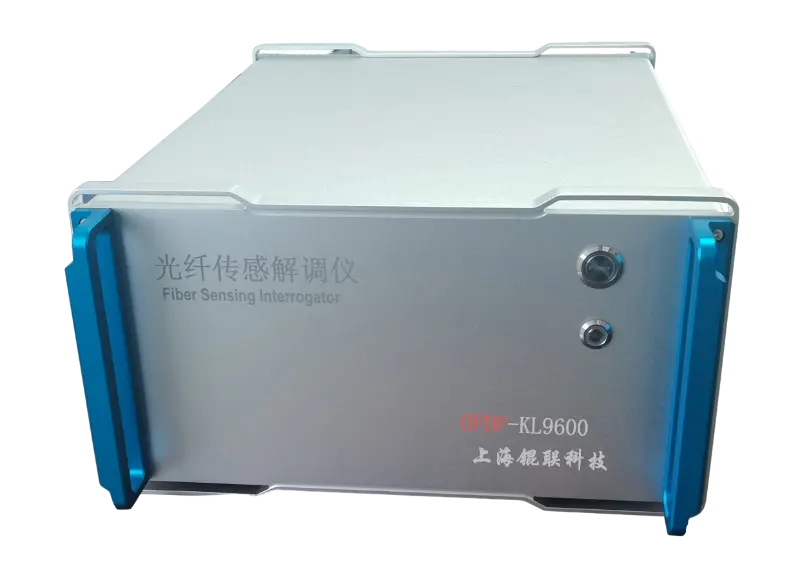
Product Details
Optical Frequency Domain Reflectometry (OFDR) is a high-precision distributed fiber sensing technology based on the principle of frequency-domain interferometry, enabling sub-millimeter-level localization and quantitative sensing of minute strain and temperature variations along an optical fiber. The OFDR-KL9600 Distributed Fiber Sensing System, independently developed by Shanghai Kunlian Technology, employs a narrow linewidth, highly stable frequency-swept laser source. Combined with a high dynamic range interferometric receiver link and an adaptive Rayleigh scattering spectrum tracking algorithm, it significantly enhances the system's signal-to-noise ratio and measurement stability while maintaining extremely high spatial resolution.
In contrast to the pulsed ranging mechanism of traditional OTDR-based systems, OFDR utilizes a frequency-modulated laser to generate phase encoding across the scanning range. It performs Fourier inversion of the spectral structure of the interference signal in the frequency domain to obtain a Rayleigh scattering reflection profile along the fiber length. This profile serves as a unique "fingerprint" for each microscopic segment of the fiber. External minute perturbations (e.g., thermal expansion, structural strain) induce relative shifts in the scattering spectrum, which can be reconstructed in real-time through high-precision phase difference analysis.
Regarding core hardware design, the system integrates a high-linear tuning control module, a low-noise photodetector, a high-speed sampling AD conversion chain, and employs an FPGA+DSP multi-level co-processing architecture for real-time spectral reconstruction and dynamic filtering, effectively mitigating environmental disturbances and system drift. Its measurement accuracy, stability, and long-term repeatability have reached internationally advanced levels.
The OFDR-KL9600 Distributed Fiber Sensing System can be deployed on standard telecommunication single-mode fibers, requiring no dedicated sensing cables or nodes. It offers exceptional system integration flexibility and long-term operational reliability, making it an ideal solution for high-resolution structural health monitoring, research on material micro-properties, and precision engineering applications.
Core Features
✅ Ultra-high Spatial Resolution
Resolution up to 10 μm ~ 1 mm, far exceeding traditional distributed fiber sensing systems.
✅ High-Sensitivity Strain Detection
Minimum strain resolution down to 1 με, suitable for micro-stress variation monitoring.
✅ High-Stability Measurement System
Built-in temperature control and reference channel design effectively suppress drift and noise.
✅ Non-contact, Fully Distributed Sensing
Supports simultaneous multi-point/segment analysis, eliminating the need for multiple discrete sensors.
✅ Graphical Analysis Platform
Included PC software supports strain/temperature distribution maps, time-series comparison charts, and 3D heatmap visualization.
| Parameter | Value | |||
|---|---|---|---|---|
| Measurement Type | Strain / Temperature | |||
| Spatial Resolution | ≤ 1 mm | |||
| Measurement Range | ≥ 20 m (Extendable) | |||
| Strain Resolution | ≤ 1 με | |||
| Temperature Resolution | ≤ 0.1 °C | |||
| Laser Type | Tunable Narrow Linewidth Laser | |||
| Output Interface | USB / LAN / Optical Port | |||
| Software Platform | Supports Windows GUI / SDK Interface | |||
| Note: All models support continuously adjustable output power and are equipped with electronic control systems. | ||||
More Blog Videos
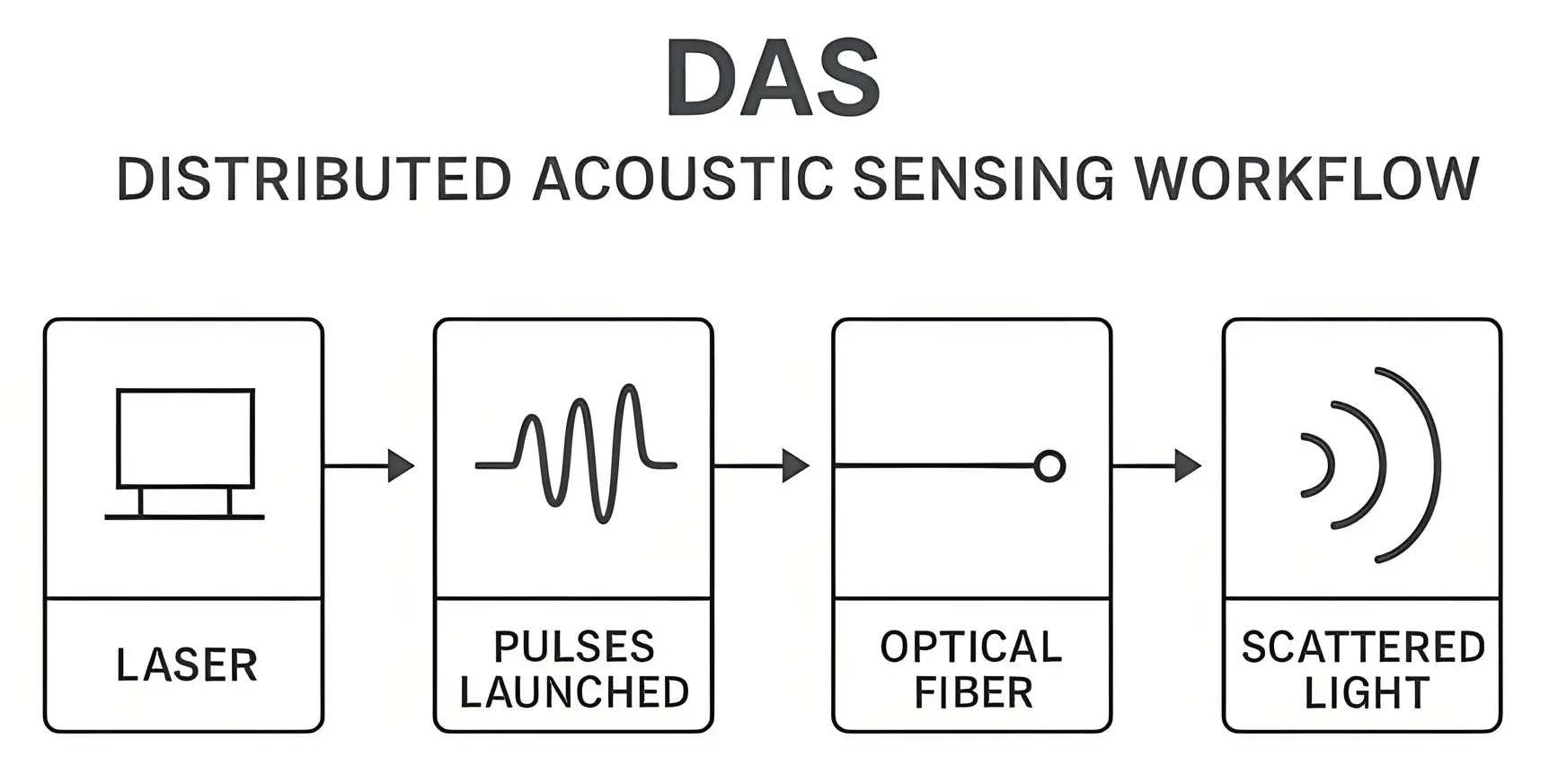
What is a DAS Distributed Acoustic Sensing System? Principles and Application Analysis
In the field of optical fiber sensing technology, the DAS (Distributed Acoustic Sensing) system has emerged as a pivotal technology with rapid development in recent years. By utilizing the optical fiber itself as the sensing element, a DAS system enables continuous, real-time, and long-distance monitoring of vibration and acoustic signals along the fiber. This capability has led to its widespread application in fields such as oil pipeline monitoring, railway safety monitoring, perimeter security, and seismic monitoring.
Release Date: 2026-03-13
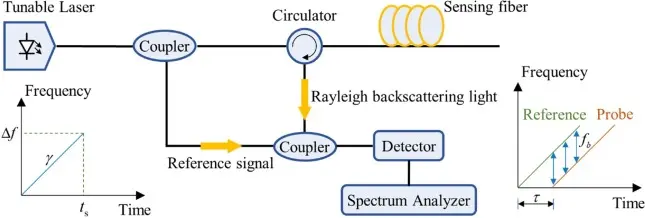
OFDR vs. OTDR: What's the Difference? A Comprehensive Comparison of Principles and Applications
In the fields of optical fiber testing and fiber optic sensing, OTDR (Optical Time Domain Reflectometer) and OFDR (Optical Frequency Domain Reflectometer) are two critically important measurement technologies.
Release Date: 2026-03-09
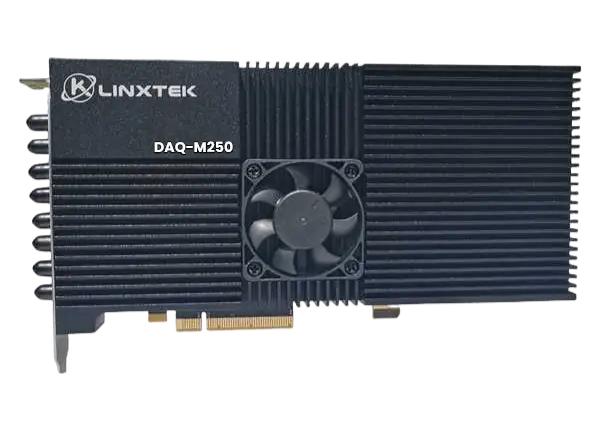
Core Technologies and Selection Guide for High-Speed Data Acquisition Cards
With the advancement of optoelectronic measurement techniques, Distributed Acoustic Sensing (DAS), radar signal processing, and scientific experimental equipment, the High-Speed Data Acquisition Card (DAQ) has become a core component in many high-end instrumentation systems. The performance of the data acquisition card directly dictates the system's signal acquisition capability, measurement precision, and real-time processing power.
Release Date: 2026-03-04
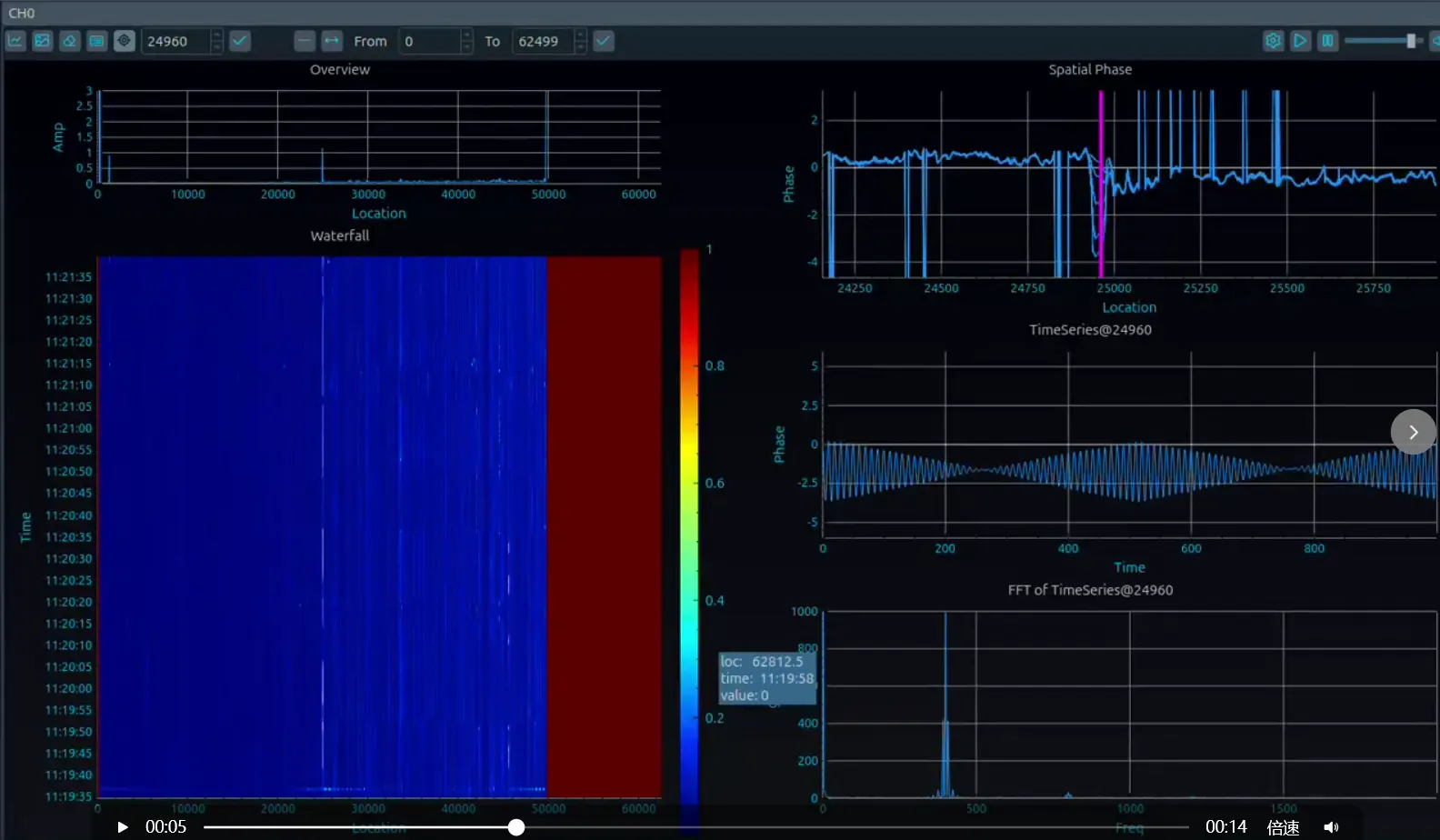
Engineering Methods for Enhancing DAS Signal-to-Noise Ratio (SNR)
Engineering Optimization Practices for Distributed Acoustic Sensing (DAS) Systems In a Distributed Acoustic Sensing (DAS) system, the Signal-to-Noise Ratio (SNR) directly dictates the achievable sensing distance, spatial resolution, capability to detect weak vibrations, false positive and false negative rates, and the efficacy of post-processing algorithms. Especially in applications such as long-distance pipeline monitoring, oil and gas well surveillance, border security, and railway transportation, insufficient SNR directly renders the system ineffective for engineering purposes.
Release Date: 2026-02-28

Engineering Practice of DAS in Utility Tunnel Vibration Monitoring
As the scale of urban underground utility tunnels continues to expand, achieving 24/7 online monitoring of structural integrity, external construction disturbances, and unauthorized intrusion has emerged as a critical challenge in the development of smart cities.
Release Date: 2026-02-25
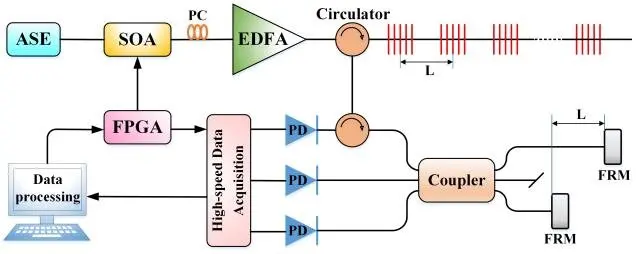
Comparison of DAS and FBG Vibration Monitoring Technologies
With the widespread adoption of fiber optic sensing technology in fields such as rail transit, pipeline security, perimeter intrusion detection, and structural health monitoring, Distributed Acoustic Sensing (DAS) and Fiber Bragg Grating (FBG) based vibration monitoring have emerged as the two most frequently compared solutions by end-users.
Release Date: 2026-02-14